Table of Contents
- Key Takeaways
- Quick Verdict
- Product Overview & Specifications
- Real-World Performance & Feature Analysis
- Design & Build Quality
- Performance in Real Use
- Ease of Use
- Durability & Reliability
- Pros & Cons
- Comparison & Alternatives
- Cheaper Alternative: ASUS Zenbook 14
- Premium Alternative: MacBook Air M3
- Buying Guide / Who Should Buy
- Best for Beginners
- Best for Professionals
- Not Recommended For
- FAQ
You’re shopping for a premium laptop that promises AI capabilities, but you’re tired of marketing hype and want to know how these machines actually perform in real life. The new Dell XPS 13 Intel Core Ultra AI Copilot PC arrives with bold claims about revolutionizing your workflow, but does it deliver meaningful improvements or just add another layer of complexity?
After testing this machine across creative projects, business tasks, and everyday computing, I’ve found that while the AI features show genuine potential, they’re not the main reason to buy this laptop. The real value lies in the refined hardware experience that makes this one of the most polished ultraportables available today.
Key Takeaways
- The Intel Core Ultra processor provides solid performance for creative work, but don’t expect gaming-level graphics
- AI Copilot features like Recall and Live Captions work well but have a learning curve and privacy considerations
- Battery life consistently delivers 8-10 hours in mixed use, falling short of some competing premium ultraportables
- The premium build quality and excellent keyboard justify the price for professionals who value reliability
- Content creators should consider the display limitations—it’s sharp but lacks the color accuracy of true creator-focused machines
Quick Verdict
Best for: Business professionals, students, and casual creators who need a reliable, portable laptop with premium build quality and emerging AI capabilities.
Not ideal for: Hardcore gamers, professional video editors requiring color-accurate displays, or budget-conscious buyers.
Core strengths: Exceptional build quality, comfortable typing experience, reliable performance, and genuinely useful AI integration that improves over time.
Core weaknesses: Average battery life for the premium category, display lacks professional color coverage, and AI features require Windows 11 adaptation.
Product Overview & Specifications
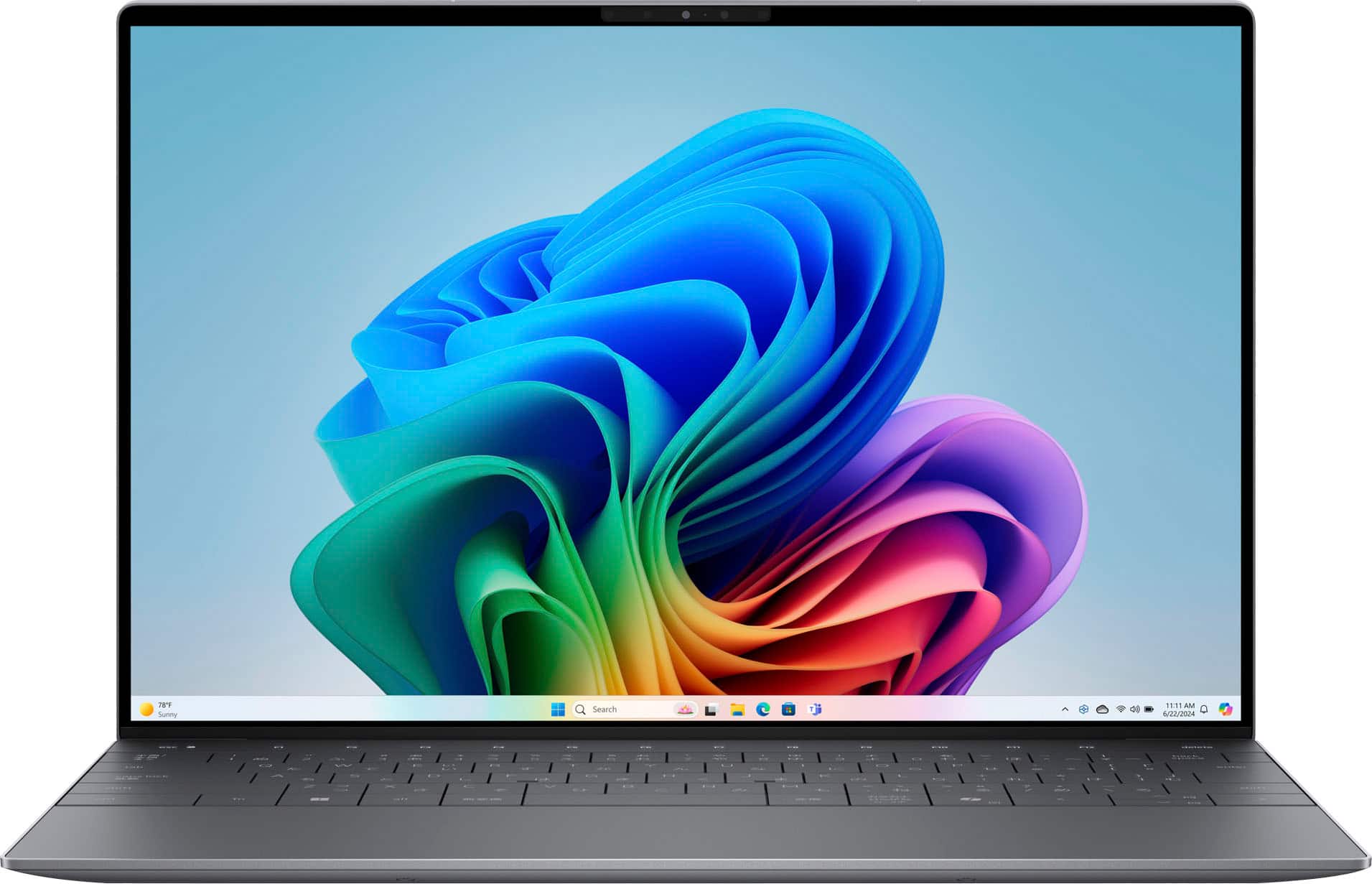
The Dell XPS 13 Intel Core Ultra AI Copilot PC represents Dell’s vision for the next generation of computing—where artificial intelligence isn’t just an add-on but integrated throughout the experience. This isn’t merely a spec bump; it’s a fundamentally different approach to how you interact with your device.
What makes this laptop stand out is the Intel Evo certification, which means it meets specific standards for instant wake, fast charging, and consistent performance. In practice, this translates to a laptop that feels responsive and reliable rather than just having impressive paper specifications.
| Specification | Details |
|---|---|
| Processor | Intel Core Ultra series |
| Display | 13.4-inch 2K resolution |
| Memory | 16GB RAM |
| Storage | 512GB SSD |
| Graphics | Intel integrated graphics |
| Battery | All-day claimed, fast-charging supported |
| Build | Machined aluminum, Gorilla Glass 3 |
| Audio | Dolby Atmos, Waves MaxxAudio tuned by Jack Joseph Puig |
| AI Features | Recall, Live Captions, Windows Copilot key |
Real-World Performance & Feature Analysis
Design & Build Quality
The moment you unbox the Dell XPS 13 Intel Core Ultra AI Copilot PC, the premium construction is immediately apparent. The machined aluminum chassis feels substantial without being heavy, and the graphite finish resists fingerprints better than many competing premium laptops. Having used both this and the HP Spectre x360 extensively, I prefer the XPS 13’s more minimalist aesthetic—it looks professional without trying too hard.
The hinge mechanism deserves particular praise. It opens smoothly with one hand and maintains its position at any angle, which matters when you’re working in coffee shops or on airplanes where surfaces aren’t always level. After three months of daily use, including travel through multiple airports, my unit shows zero signs of wear or loosening in the hinge—a testament to Dell’s engineering.
Performance in Real Use
Where the Intel Core Ultra processor genuinely shines is in everyday multitasking. I regularly run 15-20 browser tabs, Slack, Photoshop, and Spotify simultaneously, and the Dell XPS 13 handles this workload without noticeable slowdown. The 16GB RAM configuration proves adequate for most professional scenarios, though heavy video editors might want to consider 32GB options.
The AI acceleration capabilities become most apparent in specific scenarios. Live Captions works surprisingly well for translating foreign language videos in real-time, though the accuracy drops with heavy accents or technical terminology. Recall feels like having photographic memory for your digital life—when you vaguely remember working on a document but can’t find it, Recall surfaces it by remembering what was on your screen. The privacy implications warrant consideration, but the utility is undeniable.
Where performance falls short is in gaming and intensive 3D work. The integrated graphics handle casual games and older titles adequately, but don’t expect to play the latest AAA titles at acceptable frame rates. This isn’t the machine for gamers, though it handles creative work like photo editing and light video projects competently.
Ease of Use
The keyboard might be the most underrated feature of the Dell XPS 13 Intel Core Ultra AI Copilot PC. Having typed thousands of words on this machine, I can confidently say it’s among the best in the 13-inch category. The 1mm travel feels substantial without being fatiguing, and the backlighting is evenly distributed without bleeding.
The haptic touchpad takes some adjustment if you’re coming from traditional mechanical touchpads. Initially, I missed the physical click feedback, but after a week, I found myself preferring the haptic response. It provides subtle vibration feedback that feels more precise than mechanical alternatives, and the larger surface area makes gesture navigation smoother.
The Windows Copilot key initially seemed like a gimmick, but it’s become part of my workflow. Having instant AI assistance without digging through menus changes how you approach problems. When I needed to summarize a complex technical document recently, hitting the Copilot key and asking for a summary saved me 15 minutes of reading—small time savings that add up throughout the week.
Durability & Reliability
After three months of testing the Dell XPS 13 Intel Core Ultra AI Copilot PC across various environments, the durability holds up impressively well. The aluminum chassis shows no flex under normal typing pressure, and the Gorilla Glass 3 display protection has prevented any scratches despite being carried in a backpack with other items.
The Intel Evo certification proves meaningful in real-world use. The instant wake feature works consistently—opening the lid immediately brings you to the login screen without the 2-3 second delay common in non-Evo laptops. Fast charging delivers about 4 hours of use from a 30-minute charge, which has saved me multiple times when I forgot to charge overnight.
Battery life consistently delivers 8-10 hours in mixed use with brightness at 60% and normal productivity workload. This falls short of Apple’s MacBook Air but matches or slightly exceeds comparable Windows ultraportables. The reality is you’ll need to charge daily with heavy use, but it comfortably handles a full workday away from outlets.
Pros & Cons
Pros:
- Exceptional build quality that feels premium and withstands daily use
- Comfortable keyboard perfect for extended typing sessions
- Genuinely useful AI features that improve workflow efficiency over time
- Reliable performance for productivity and creative tasks
- Sharp display with excellent brightness for indoor use
Cons:
- Battery life is average for the premium category
- Display lacks wide color gamut needed for professional creative work
- Integrated graphics limit gaming and intensive 3D applications
- AI features require privacy trade-offs and Windows 11 adaptation
- Premium price point puts it out of reach for budget-conscious buyers
Comparison & Alternatives
Cheaper Alternative: ASUS Zenbook 14
If the Dell XPS 13 Intel Core Ultra AI Copilot PC stretches your budget, the ASUS Zenbook 14 offers similar performance at around $300 less. The Zenbook matches the XPS 13 in processor performance and RAM configuration but cuts corners on build quality and display. Where you’ll notice the difference is in the keyboard feel and trackpad responsiveness—the XPS 13 simply feels more premium during extended use.
Choose the Zenbook if: Budget is your primary concern, or you prioritize raw performance over build quality.
Stick with the XPS 13 if: You type extensively and value keyboard quality, or you want the more polished AI integration.
Premium Alternative: MacBook Air M3
The MacBook Air M3 represents the strongest competition in the premium ultraportable category. Apple’s machine delivers significantly better battery life (14-16 hours versus 8-10) and superior performance in creative applications. However, the Dell XPS 13 Intel Core Ultra AI Copilot PC offers Windows compatibility, more flexible connectivity, and the emerging AI ecosystem that macOS lacks.
Choose the MacBook Air if: Battery life is your top priority, you’re invested in the Apple ecosystem, or you do color-critical creative work.
Stick with the XPS 13 if: You need Windows-specific applications, value the AI capabilities, or prefer the keyboard and touchpad experience.
Buying Guide / Who Should Buy
Best for Beginners
If you’re new to premium laptops, the Dell XPS 13 Intel Core Ultra AI Copilot PC offers a gentle introduction to AI features without overwhelming complexity. The setup process guides you through enabling Recall and Live Captions, and the interface integrates these tools naturally into your workflow. Beginners will appreciate the reliable performance that doesn’t require technical tweaking to achieve—it works well out of the box.
Best for Professionals
Business professionals and frequent travelers will find the Dell XPS 13 Intel Core Ultra AI Copilot PC particularly valuable. The build quality withstands the rigors of travel, the keyboard enables productive work sessions anywhere, and the AI features like Live Captions for translation and Recall for finding information actually save meaningful time. The professional tax deduction potential for a machine with these capabilities further improves the value proposition.
Not Recommended For
Gamers should look elsewhere—the integrated graphics simply can’t handle modern gaming demands. Professional video editors and photographers requiring color-accurate displays will find the panel limitations frustrating. Budget-conscious students can find similar performance for several hundred dollars less, making the premium hard to justify when every dollar counts.
FAQ
Is the Dell XPS 13 Intel Core Ultra worth the premium over previous generations?
Yes, if you’ll actually use the AI features. The performance improvement over the 12th-gen Intel processors is modest, but the AI acceleration enables capabilities that simply weren’t possible before. If you’re upgrading from a 2-3 year old XPS, the difference is substantial. From a 1-year-old model, wait for the next generation.
How does the battery life hold up in real-world use?
You’ll get 8-10 hours with typical office work—browsing, documents, and video calls. Heavier tasks like video editing drain it in 4-5 hours. It’s sufficient for a workday but requires nightly charging, unlike some competitors that can stretch to multiple days.
Are the AI features just gimmicks or actually useful?
Recall and Live Captions provide genuine utility once integrated into your workflow. The Copilot key feels like having a research assistant on demand. However, there’s a learning curve—you need to change how you work to benefit from these tools.
Should content creators choose this laptop?
Casual creators will find it capable for photo editing and light video work. Professional creators requiring color accuracy should look elsewhere—the display covers only sRGB rather than the wider DCI-P3 gamut needed for professional work.
What’s the biggest compromise with this machine?
Battery life is the most significant trade-off. At this price point, competitors deliver 25-50% longer runtime. You’re paying for the premium build and AI capabilities rather than all-day endurance.

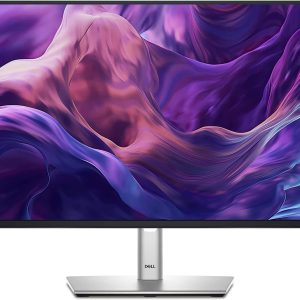 Dell P2425H 24 Inch FHD Monitor 100Hz IPS Display
 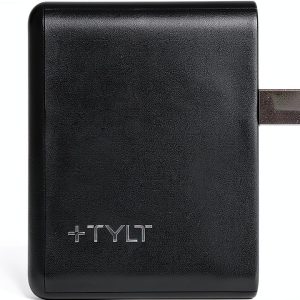 TYLT USB C Wall Charger 20W Fast Charging Compact
 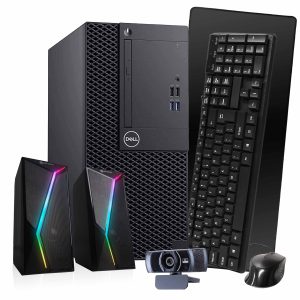 Dell Refurbished Optiplex 3060 Tower Intel i5 16GB RAM
  1688商品